

Brick Pavers Cleaning and Resanding in New Jersey
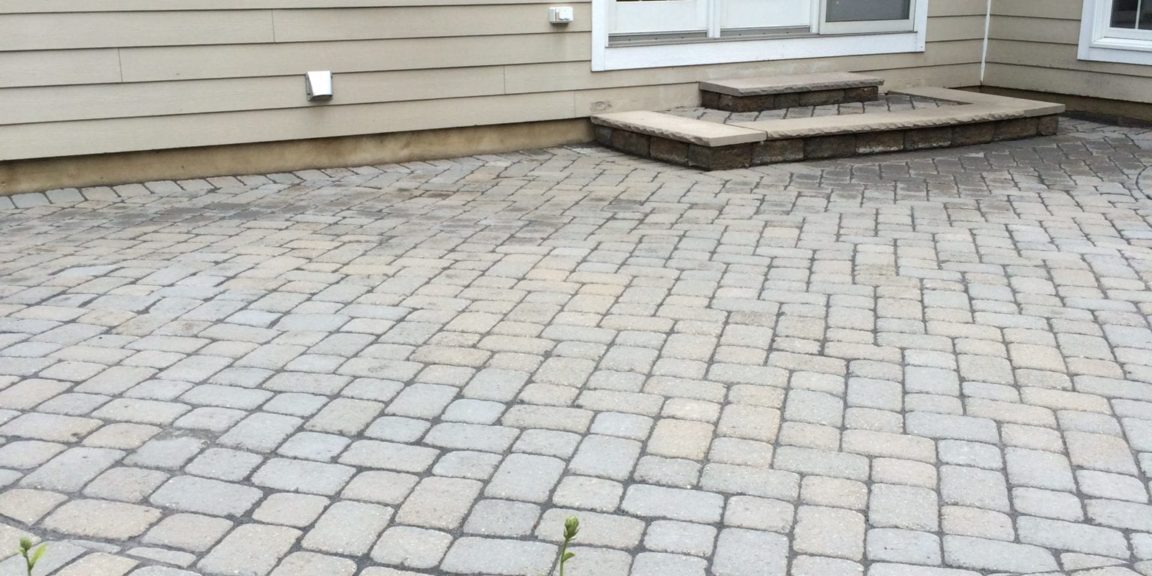
Brick pavers can make a home look sharp, but they do not stay clean on their own. Dirt, oil spots, weeds, moss, and dark stains slowly build up and make even a nice driveway or patio look worn out. The problem is that pavers are not like plain concrete. Using too much pressure can damage the surface, loosen the joint sand, and leave the area looking worse than before.
Why Brick Pavers Need a Different Cleaning Method
Many homeowners assume any outdoor surface can be cleaned the same way. That is where problems start. Brick pavers have joints, bedding sand, and surface texture that need more care than poured concrete or asphalt. A driveway, walkway, or patio made from pavers can shift, lose sand, and trap organic growth between joints. When too much pressure is used, the sand can wash out, the edges can wear down, and the pavers may become uneven over time.
Common Problems That Make Pavers Look Dirty
Brick pavers deal with more than simple dust. They are exposed to weather, traffic, landscaping debris, moisture, and spills year-round. In New Jersey, freeze-thaw cycles and damp conditions can make those issues even more noticeable. The most common problems include black staining, algae, moss, weeds between joints, rust marks, tire buildup, oil drips, and faded areas buried under dirt. Foot traffic also leaves behind grime that slowly dulls the surface.
What Professional Brick Pavers Cleaning Actually Does
Professional paver cleaning is about more than spraying water on the surface. A good service starts by checking the condition of the pavers, the joints, drainage, stain types, and any signs of movement or damage. That helps determine the safest cleaning approach. From there, the surface is treated and cleaned in a controlled way to remove dirt, algae, weeds, and stains without harming the pavers. That restores the spaces between pavers, improves stability, and helps reduce future weed growth. The result is a cleaner surface that also functions better.
Soft Washing vs High-Pressure Washing for Brick Pavers
This is one of the biggest points homeowners need to understand. Brick pavers can handle cleaning, but they should not be blasted carelessly. Pressure still has a place, but it needs to be adjusted properly for the material, age, and condition of the area being cleaned.
|
Cleaning Method |
Best For |
Risk Level |
Main Result |
|
Soft washing |
Organic growth, dirt, general cleaning |
Low |
Cleans safely without stressing pavers |
|
Controlled low-pressure surface cleaning |
Driveways, patios, walkways with heavier buildup |
Low to moderate |
Removes grime while limiting damage |
|
High-pressure washing |
Hard concrete in some cases, not standard paver care |
High for pavers |
Can remove sand and scar the surface |
|
DIY hose rinse |
Light dust only |
Low |
Very limited improvement |
Signs Your Pavers Need Cleaning Right Away
Some paver surfaces age gradually, so homeowners get used to the dirty look and stop noticing it. Then one day they realize the walkway looks patchy, the driveway has dark streaks, and weeds are everywhere. If the pavers hold moisture longer than they used to, that can also point to buildup and clogged joints. Cleaning earlier usually costs less than waiting until the surface is heavily stained or the joints are failing.
Why Paver Resanding Matters After Cleaning
Cleaning is only part of the job. Once debris and old loose material are removed from the joints, the pavers often need fresh sand. Without that step, the surface may look better for a while but remain more open to weed growth, insect activity, erosion, and movement. Resanding fills the joints again and helps lock the pavers in place. It also helps water shed more evenly across the surface. For many brick paver driveways and patios, this step makes a major difference in both appearance and long-term performance.
What Is Polymeric Sand and Why Homeowners Choose It
Polymeric sand is commonly used between pavers because it hardens after activation with water. It is made to stay in the joints better than loose basic sand, which makes it a popular option after professional cleaning. When installed the right way, polymeric sand helps reduce weed growth, limits ant intrusion, and improves joint stability. The pavers must be dry enough, the joints need the right fill depth, and excess sand has to be removed carefully before activation. Otherwise, you can end up with haze, weak joints, or uneven curing.
Benefits of Professional Brick Pavers Cleaning
A clean paver surface does more than improve appearance. It can also make the space safer and easier to maintain. That matters whether you are cleaning a front walkway, backyard patio, pool surround, or long driveway. The biggest benefits are better curb appeal, less slippery buildup, reduced weed growth, improved drainage between joints, and a more cared-for look for the whole property. For families planning to stay put, regular care helps protect an outdoor surface that was not cheap to install in the first place.
Brick Pavers Cleaning Cost in New Jersey in 2026
Pricing depends on the size of the area, how dirty it is, whether resanding is needed, and how much detail work is involved. A small walkway costs far less than a large driveway and patio combination with deep oil stains and failing joints. In 2026, many homeowners in New Jersey can expect general paver cleaning to start around $300 to $600 for smaller areas. Medium projects often land in the $600 to $1,200 range. Larger driveways, patios, or multi-area jobs with resanding commonly fall between $1,200 and $2,500 or more. Heavy stain removal, joint repair needs, and complicated layouts can raise the final price.
|
Project Type |
Typical 2026 Price Range in NJ |
|
Small walkway or entry path |
$300–$600 |
|
Standard patio cleaning |
$400–$900 |
|
Medium driveway cleaning |
$700–$1,500 |
|
Cleaning plus polymeric resanding |
$900–$2,500+ |
|
Large multi-area paver project |
$1,500–$3,500+ |
These are general estimates, not flat rates. The best way to get a real number is with an on-site quote based on square footage, stain level, and joint condition.
Why DIY Paver Cleaning Often Falls Short
It is easy to think renting a pressure washer will save money. Sometimes it does the opposite. Many DIY jobs leave tiger stripes, washed-out joints, stubborn stains, and a mess of displaced sand that has to be fixed later. Store-bought cleaners may also miss the real issue. A dark stain might need one treatment, while moss, oil, rust, or efflorescence need something else entirely. The difference is not just equipment. It is knowing how to clean the surface safely and when to resand, treat, or spot-clean certain areas.
How Weather Affects Brick Pavers in New Jersey
New Jersey weather is rough on outdoor hardscapes. Rain, snow, humidity, leaves, pollen, and winter residue all leave their mark over time. Moisture sitting in joints encourages moss and weeds, while seasonal dirt buildup can make colors look dull. Cold weather can make minor joint issues worse. If sand is already missing and water gets in, freeze-thaw cycles can add stress to the system. That is why routine cleaning and maintenance matter. Keeping pavers cleaner and properly sanded helps them drain better and hold up more reliably through changing seasons.
What to Look for in a Paver Cleaning Company
Not every exterior cleaning company handles pavers well. Some clean them like plain concrete, and that can lead to damage. You want a company that understands surface differences, joint care, stain treatment, and resanding. A good contractor should be licensed and insured, explain their cleaning method clearly, use quality materials, and inspect the condition of the pavers before starting. The goal is not just a quick visual improvement. The goal is a clean result that lasts and does not create new problems.
Why Homeowners Choose PSI Pressure Washing & Exterior Cleaning
PSI Pressure Washing & Exterior Cleaning serves homeowners who want their pavers cleaned the right way, without unnecessary risk to the surface. The company handles dirt, grime, weeds, and staining with methods suited to the material instead of relying on one harsh approach for every job. PSI also offers paver resanding using quality polymeric sand to help improve joint performance and appearance after cleaning. For homeowners in Central New Jersey, that means one company can handle both the cleaning step and the finishing step that helps hold the results together. When a surface needs more than a quick rinse, having the right equipment and trained technicians makes a real difference.
Get Paver Cleaning and Resanding Services in New Jersey
Professional paver cleaning helps remove buildup, freshen the surface, and restore joint stability with proper resanding for a cleaner, longer-lasting finish.
Get a QuoteFinal Thoughts
Brick pavers add character and value to a home, but they need proper care to stay in good shape. Dirt, oil, weeds, moss, and weather stains can make the whole property look neglected. Worse, the wrong cleaning method can damage the surface and wash out the joints. Professional brick paver cleaning and resanding gives homeowners a safer and more reliable way to restore these surfaces. If your paver driveway, patio, or walkway is looking worn down, PSI Pressure Washing & Exterior Cleaning can help bring it back to life with a cleaning process built for pavers, not against them.
How often should brick pavers be professionally cleaned?
Most brick paver surfaces should be professionally cleaned every 1 to 3 years, depending on traffic, shade, moisture, and staining. Driveways usually need more attention than patios. If weeds, moss, or dark stains return quickly, a shorter maintenance cycle often makes sense.
Is pressure washing safe for brick pavers?
Brick pavers can be cleaned with controlled pressure, but careless high-pressure washing can cause damage. It may remove joint sand, rough up the surface, and weaken the overall system. That is why pavers should be cleaned with the right settings and method for their condition.
Do brick pavers need resanding after cleaning?
In many cases, yes. Cleaning can expose joints that have already lost sand over time. Resanding helps refill those spaces, improves stability, reduces weed growth, and gives the surface a more finished look. Polymeric sand is often used when conditions are right.
What stains can professional paver cleaning remove?
Professional cleaning can address dirt, algae, moss, many organic stains, tire marks, and some oil spotting depending on severity. Not every stain disappears fully, especially if it has been left for years, but professional treatment usually improves the surface far more than basic DIY cleaning.
How much does brick paver cleaning cost in New Jersey?
Smaller projects may start around $300 to $600, while larger cleaning and resanding jobs can range from $1,200 to $2,500 or more. The final cost depends on square footage, stain level, joint condition, layout, and whether polymeric sand needs to be installed.