
Complete Concrete Cleaning Guide (2026): Costs, Benefits & Best Methods
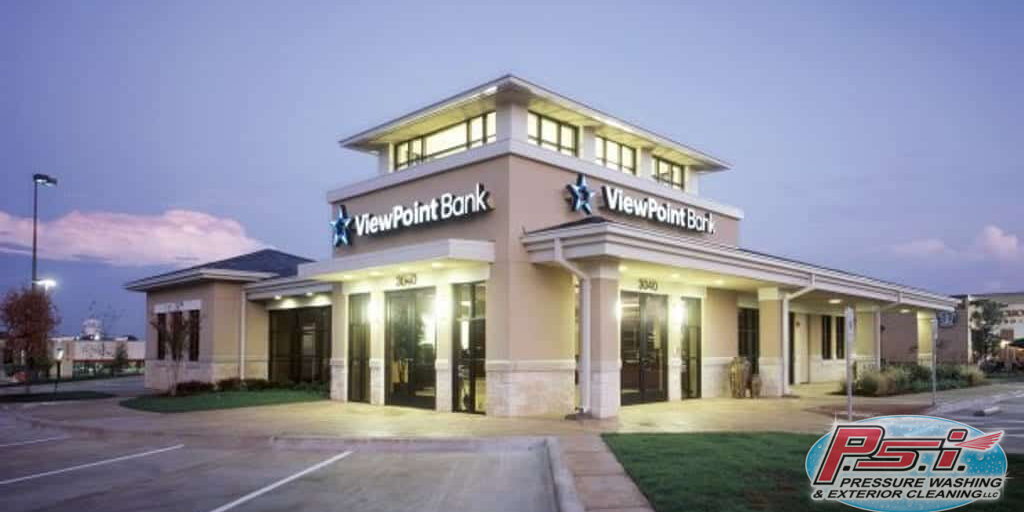
A clean property isn’t just about landscaping or fresh paint your concrete surfaces play a huge role in how everything looks and functions. In 2026, concrete cleaning isn’t just about appearance it’s about safety, long-term savings, and protecting your investment. Whether you own a home or manage a commercial property in areas like Clinton, Bridgewater, or Flemington, keeping concrete clean helps avoid costly repairs and liability issues.
What Is Concrete Cleaning and How Does It Work?
Concrete cleaning involves removing dirt, oil, algae, mold, and stains using specialized equipment and cleaning solutions. While it sounds simple, the process varies depending on the surface condition and type of buildup.
Professionals typically use pressure washing or power washing with surface cleaners to evenly clean large areas without leaving streaks. In tougher cases, hot water cleaning or degreasers are used to break down oil and grease embedded deep into the surface.
Over time, untreated concrete absorbs contaminants. That’s why regular cleaning isn’t just cosmetic—it helps extend the life of the surface.
Why Dirty Concrete Brings Down Your Entire Property
You can have a perfectly maintained property, but stained concrete instantly ruins the overall impression. It’s one of those details people notice right away, especially in commercial settings.
Beyond looks, dirty concrete creates real risks. Algae, mildew, and oil buildup can make surfaces dangerously slippery. This increases the chances of accidents, which can lead to expensive liability claims.
Here’s what neglected concrete can lead to:
- Slippery surfaces that increase fall risks
- Permanent staining that becomes harder to remove
- Faster surface deterioration and cracking
- Poor first impression for visitors or customers
Areas That Need Concrete Cleaning the Most
Not all concrete surfaces wear down equally. Some areas experience heavier traffic and exposure, making them more vulnerable to damage and buildup.
The most common high-impact areas include:
- Parking lots with oil and tire stains
- Driveways exposed to vehicles and weather
- Sidewalks affected by foot traffic and dirt
- Entryways where first impressions matter
- Drive-thrus with grease and food residue
These areas often require more frequent cleaning to stay safe and presentable.
Concrete Cleaning Methods Explained
Choosing the right cleaning method makes a big difference in results. Using too much pressure can damage the surface, while too little won’t remove deep stains.
Pressure Washing
This is the most common method. It uses high-pressure water to remove dirt, grime, and loose debris. It works well for general cleaning and maintenance.
Power Washing (Hot Water Cleaning)
Hot water is used to break down grease, oil, and tough stains. This method is ideal for commercial spaces like parking garages or drive-thrus.
Surface Cleaning Equipment
Professionals use rotating surface cleaners for even results. This prevents streaking and covers large areas efficiently.
Chemical Treatment
Eco-friendly detergents are applied to loosen stubborn stains like rust, oil, or mold before washing.
Concrete Cleaning Cost in 2026
Pricing depends on several factors including surface size, condition, stain severity, and cleaning method used. Residential and commercial jobs vary significantly.
Here’s a simple breakdown:
| Service Type | Average Cost (2026) | Best For | Notes |
|---|---|---|---|
| Basic Pressure Washing | $0.15 – $0.30 per sq ft | Light dirt & maintenance | Most affordable option |
| Deep Cleaning (Hot Water) | $0.30 – $0.60 per sq ft | Oil, grease, heavy stains | Common for commercial spaces |
| Stain Removal Treatment | $50 – $150 per area | Rust, oil spots | Added to base cleaning cost |
| Driveway Cleaning | $100 – $300 total | Residential properties | Depends on size & condition |
| Parking Lot Cleaning | $500 – $2,500+ | Large commercial areas | Based on square footage |
In places like Hillsborough, Somerville, and Princeton, pricing can vary slightly depending on accessibility and local demand.
Safety Benefits You Shouldn’t Ignore
Concrete cleaning is one of the simplest ways to reduce safety risks on your property. Slips and falls are a major concern, especially for businesses. Dirty surfaces with algae, oil, or moisture create a slick layer that’s hard to see but easy to slip on. Regular cleaning removes these hazards before they become a problem.
Key safety benefits include:
- Reduced risk of slip-and-fall accidents
- Better traction on walkways and driveways
- Cleaner, hazard-free entry points
- Lower liability for property owners
For commercial property managers in areas like Readington or Bedminster, this isn’t optional—it’s part of responsible maintenance.
Common Mistakes Property Owners Make
Many people assume concrete cleaning is a simple DIY job, but small mistakes can lead to permanent damage or poor results. One of the biggest issues is using too much pressure. This can etch the surface, leaving visible lines or weakening the concrete. Another mistake is skipping pre-treatment, which makes stain removal much less effective.
Other common problems include:
- Using household cleaners instead of proper solutions
- Uneven cleaning that leaves streaks
- Ignoring oil stains until they become permanent
- Not sealing concrete after cleaning
Professional services avoid these issues by using the right tools and techniques for each surface.
When You Should NOT Delay Concrete Cleaning
Timing matters more than most people think. Waiting too long can turn simple cleaning into a costly restoration job. If you notice dark stains, slippery areas, or visible buildup, it’s already time to act. Seasonal changes, especially in New Jersey, make things worse. Winter salt, summer heat, and humidity all speed up damage.
You should schedule cleaning when:
- Surfaces look discolored or patchy
- Water doesn’t drain properly
- You notice mold, algae, or mildew
- You’re preparing to sell or lease property
Why Professional Concrete Cleaning Is Worth It
While DIY cleaning might seem cheaper upfront, it often leads to uneven results or missed problem areas. Professional services bring experience, proper equipment, and efficiency. Companies like PSI Pressure Washing & Exterior Cleaning, LLC handle both residential and commercial projects across areas like Annandale, Lebanon, and Whitehouse Station. Their approach focuses on cleaning thoroughly without damaging surfaces.
Hiring professionals means:
- Better and longer-lasting results
- Faster completion time
- Safe and controlled cleaning methods
- Proper stain removal techniques
Get Concrete Cleaning Services in New Jersey
Professional concrete cleaning helps remove grime, stains, and slippery buildup before surfaces start looking worn or unsafe. It is a practical way to keep driveways, walkways, and other hard surfaces in better shape.
Get a QuoteFAQs
How often should concrete be cleaned?
Most residential properties should be cleaned once a year, while commercial spaces may need cleaning every 3–6 months. High-traffic areas collect more dirt and stains, so regular maintenance keeps surfaces safe and looking presentable.
Can pressure washing damage concrete?
Yes, if done incorrectly. Using too much pressure or the wrong nozzle can leave marks or weaken the surface. That’s why professional equipment and proper techniques are important for safe and effective cleaning.
Does concrete cleaning remove oil stains completely?
It depends on how deep the stain is. Fresh oil stains are easier to remove, while older stains may require special treatment. In many cases, professionals can significantly reduce or fully remove visible staining.
Is concrete cleaning worth the cost?
Yes, especially when you consider the long-term benefits. It helps prevent costly repairs, improves safety, and keeps your property looking well-maintained. It’s a small investment compared to replacing damaged concrete.
What’s the best time of year for concrete cleaning?
Spring and early fall are ideal since weather conditions are moderate. However, cleaning can be done year-round as long as temperatures allow proper drying and safe application of cleaning solutions.