
Apartment Complex Pressure Washing Service Plan for 2026
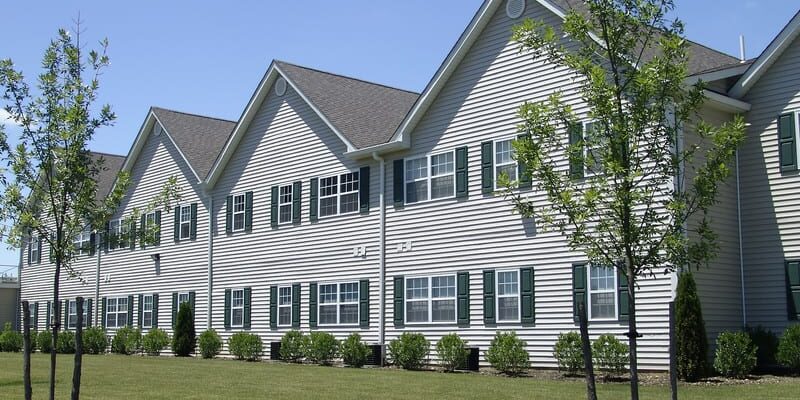
Managing an apartment complex means managing daily first impressions. Residents notice stained sidewalks, algae on siding, dirty breezeways, and black streaks on roofs long before they mention them. For apartment communities in Clinton, Flemington, Bridgewater, Hillsborough, Princeton, Somerville, and nearby New Jersey areas, the right plan is not just about cleaning.
Why apartment complexes need a real cleaning plan
A multifamily property has far more wear than a single-family home. Sidewalks collect foot traffic all day. Dumpster pads take grease and spills. Building exteriors pick up dirt, pollen, algae, and mildew. Stairwells, curbs, entry pads, and common areas can start to look worn even when the property is otherwise well managed. That is why apartment complex pressure washing works best as a service plan, not a one-time job. When you schedule cleaning around seasons, occupancy patterns, tree cover, and traffic volume, the property stays more consistent and the work becomes easier to budget. A planned approach also helps reduce long periods of buildup that can make surfaces harder and more expensive to clean later.
What a complete apartment complex cleaning plan should include
Most communities do not need the same level of service on every surface. The smartest plan breaks the property into zones and gives each area the right cleaning method and schedule. A practical plan often includes concrete cleaning for sidewalks, curbs, breezeways, dumpster pads, pool decks, and entry paths. It should also include building washing for siding, stucco, brick, trim, gutters, and shared exterior walls. Roof cleaning may be needed in shaded sections where dark streaks, moss, algae, or organic growth start to spread.
For many apartment complexes, the core service menu looks like this:
- Concrete cleaning for walkways, entries, curbs, and high-traffic common areas
- Building washing for exterior walls, trim, gutters, and breezeways
- Roof cleaning where staining, algae, or heavy tree cover are present
- Spot cleaning for dumpster pads, loading areas, and problem zones
- Seasonal touch-ups before leasing pushes, inspections, or resident events
Pressure washing vs soft washing for apartment properties
Not every surface should be cleaned with high pressure. That is one of the biggest mistakes property managers can make when hiring an exterior cleaning company. Concrete usually handles stronger cleaning well, but siding, painted surfaces, stucco, vinyl, and many roof systems often need a gentler soft washing approach. Soft washing uses lower pressure with cleaning solutions to break down algae, mold, mildew, and staining without forcing water behind siding or damaging delicate finishes. This matters on occupied apartment buildings where damage, noise, and overspray can quickly become tenant issues. A good contractor will match the cleaning method to the material instead of using one setting for everything.
The best service frequency for apartment complex pressure washing
There is no single schedule that works for every community. A newer complex with limited tree cover and lighter traffic may only need major exterior service once or twice a year, with small touch-ups in between. Areas around dumpsters, mail kiosks, pool decks, leasing offices, breezeways, and front entries often need more frequent attention than the rest of the site.
Here is a simple planning table property managers can use:
| Area | Typical Cleaning Need | Suggested Starting Schedule | Best Method |
| Sidewalks and entry pads | Dirt, algae, gum, stains | Quarterly | Pressure washing / surface cleaning |
| Breezeways and stair landings | Dust, cobwebs, grime | 2–4 times per year | Low-pressure washing |
| Building exteriors | Algae, mildew, pollen, streaks | 1–2 times per year | Soft washing |
| Dumpster pads | Grease, odor, spills | Monthly or as needed | Hot water cleaning |
| Roof sections under tree cover | Black streaks, moss, algae | As needed / annual review | Soft wash roof cleaning |
| Curbs, loading zones, drive lanes | Traffic film, stains | 2–4 times per year | Pressure washing |
How to decide what your property needs
The easiest way to build the right plan is to look at four things: traffic, shade, surface type, and resident expectations. These factors tell you where dirt builds fastest and where cleaning has the biggest effect. High foot traffic means faster wear on entries, sidewalks, steps, and breezeways. Heavy tree cover usually means more moisture, organic growth, and roof streaking. A luxury or high-rent property usually needs a tighter visual standard than a smaller community with fewer common areas.
When you review your site, ask:
- Which areas look dirty first after cleaning?
- Where do residents and visitors enter most often?
- Which surfaces stay shaded or damp?
- Which areas create the most complaints or poor online reviews?
- Which zones matter most before tours, inspections, or lease renewals?
How much apartment complex pressure washing costs in 2026
Pricing varies by property size, access, condition, water supply, surface type, and service frequency. National market references for pressure washing commonly place many exterior cleaning jobs around $0.10 to $0.80 per square foot, though some delicate or difficult surfaces can run higher. Recent consumer cost references also show average residential pressure washing jobs commonly landing in the low hundreds, with pricing moving up as job size and difficulty increase. Properties that clean on a regular schedule often get better value than properties that wait until staining is severe, because the labor and chemical load are usually lower on routine maintenance.
A simple budget guide looks like this:
| Service Type | Common Pricing Style | What Affects Cost Most |
| Sidewalk and concrete cleaning | Per sq. ft. | Gum, oil, algae, stain severity |
| Building washing | Per building or sq. ft. | Height, material, access, water source |
| Roof cleaning | Per section or sq. ft. | Roof pitch, staining, safety setup |
| Dumpster pad cleaning | Per visit | Grease, odor treatment, hot water need |
| Annual maintenance plan | Monthly or annual contract | Service mix and visit frequency |
What professionals do differently on multifamily properties
Apartment complex cleaning is not the same as cleaning a driveway at a house. On a lived-in property, the work has to be planned around people, vehicles, noise, access, and safety. Good crews think through staging, resident notices, hose management, parked cars, trip hazards, and drying time before the job starts. This matters because exterior conditions can contribute to slip hazards if wet, dirty, or poorly maintained. OSHA guidance on walking-working surfaces stresses hazard control for wet conditions and fall prevention, and it also requires proper fall protection in applicable elevated work areas. A serious contractor should already have jobsite safety, access control, and roof work procedures built into the plan.
Common mistakes property managers make
A lot of apartment communities spend money on cleaning but still do not get steady results. Usually the problem is not the idea of cleaning. It is the lack of structure behind it. One common mistake is treating the whole site the same. Another is waiting until occupancy visits, inspections, or resident complaints force an urgent cleanup. Some managers also choose the cheapest quote without checking whether the company uses the right method for siding, roofing, and painted materials. Others skip routine touch-ups and end up paying more for heavy restoration later.
When monthly, quarterly, or semiannual service makes sense
Monthly service usually fits communities with high traffic, shared amenities, visible dumpster areas, or properties where appearance directly affects leasing. This can work well for large apartment communities in areas like Bridgewater, Bedminster, Readington, or Princeton where curb appeal matters year-round. Quarterly service often fits mid-size properties that want steady upkeep without a monthly visit. Semiannual service can work for building washing on lower-maintenance properties, especially if the site has less shade and fewer problem areas. Even then, most communities still benefit from more frequent attention on high-traffic concrete and dumpster zones.
A sample apartment complex pressure washing plan
A useful service plan is simple, predictable, and easy for staff to manage. It should cover the property in layers instead of trying to clean every inch at the same level every month. A sample plan may look like this. Early spring covers sidewalks, curbs, breezeways, front entries, and leasing office approaches after winter residue clears. Late spring or early summer handles building washing before peak move season. Mid-summer focuses on dumpster pads, pool-area concrete, and spot cleaning. Early fall addresses walkways, common areas, and touch-ups before leaves and moisture build. Roof sections under dense shade are checked at least once a year and cleaned when staining becomes visible.
Signs your property is overdue for service
If residents can see the dirt from the parking lot, the job is already late. Exterior buildup tends to creep in slowly, so it helps to know the signs early. Look for green algae on sidewalks, dark streaks below gutters, spider webs in breezeways, slippery shaded concrete, black roof streaks, and visible contrast where one cleaned section looks much brighter than the rest. Dumpsters, curbs, and stair edges also tell you a lot. If these areas look neglected, the whole property starts to feel less cared for even if the landscaping is fine.
Why this matters for resident satisfaction and leasing
Clean exteriors quietly shape how residents feel about where they live. People may not always comment when a property looks good, but they do notice when it feels neglected. Dirty entries, slippery walkways, and stained buildings can send the message that maintenance is reactive instead of organized. For property managers, a good cleaning plan helps in three ways. It improves day-to-day appearance, supports safer common areas, and cuts the stress of last-minute cleanup before tours or inspections. That is especially useful for apartment communities trying to stay competitive in New Jersey markets where appearance, reviews, and retention all matter.
Choosing the right apartment complex pressure washing company
A contractor for multifamily work should be able to explain the plan clearly, not just give a price. You want a company that understands occupied properties, uses the correct cleaning method for each surface, and can phase work in a way that limits disruption. Look for proof of insurance, experience with apartment communities, a clear scope of work, realistic scheduling, and a process for resident communication when needed. It also helps to choose a local company that understands how New Jersey weather, pollen, tree cover, humidity, and winter residue affect exterior surfaces across Hunterdon, Somerset, Warren, Middlesex, and nearby counties.
Keep Your Apartment Community Clean, Safe, and Resident-Ready
Managing an apartment complex means keeping every detail in check, and exterior cleanliness plays a big role in how residents feel about their home. At PSI Pressure Washing & Exterior Cleaning, we help property managers across New Jersey maintain clean, safe, and welcoming communities with reliable pressure washing services. From sidewalks and breezeways to full building washing, our team uses the right method for each surface to avoid damage while delivering strong results. Whether your property is in Clinton, Bridgewater, or Hillsborough, we build a practical cleaning plan that fits your schedule, keeps tenants happy, and protects your investment year-round.
Get Apartment Complex Pressure Washing Service in New Jersey
Keep apartment buildings, sidewalks, and shared areas cleaner and safer with service built around your property’s size, surfaces, and maintenance needs.
Get a QuoteFAQs
How often should an apartment complex be pressure washed?
Most apartment complexes do best with a mix of service frequencies rather than one full-property schedule. High-traffic concrete and dumpster areas may need monthly or quarterly cleaning, while building washing often works well once or twice a year. The right timing depends on traffic, shade, moisture, and resident expectations. A site review is the best way to set the schedule.
Is pressure washing safe for apartment building exteriors?
Yes, when the right method is used for the right material. Concrete can usually handle stronger cleaning, but siding, painted surfaces, stucco, and roofs often need soft washing with lower pressure. The biggest risk comes from using the wrong technique, not from cleaning itself. That is why material-specific service matters so much on multifamily properties.
What areas of an apartment complex should be cleaned first?
Start with the places residents and visitors see and use every day. Entry walks, sidewalks, breezeways, stair landings, curbs, leasing office approaches, and dumpster pads usually have the biggest effect on appearance and safety. Once those high-visibility zones are covered, building exteriors and roof sections can be scheduled based on staining and condition.
How much does apartment complex pressure washing cost?
There is no single flat rate because every site is different. Many pressure washing jobs are priced by square footage, building count, or service zone, and common market references often fall around $0.10 to $0.80 per square foot depending on the surface and difficulty. Large properties may benefit from annual maintenance pricing rather than one-off visits.
What is the difference between pressure washing and soft washing?
Pressure washing relies on stronger water force and is often best for durable surfaces like concrete. Soft washing uses lower pressure plus cleaning agents to remove algae, mildew, and dirt from more delicate materials such as siding and roofs. On apartment properties, both methods are useful. The key is knowing where each one belongs.